What do I see out my window?
Sometimes it seems that Hot Springs, North Carolina, is the best place to sit on the porch and be amazed by what you see in your own backyard. We sit in a mountain valley where Spring Creek meets the French Broad River, surrounded on all sides by the forested ridges of the Pisgah National Forest. Our geography makes our area a natural home base for wildlife watching in Western North Carolina.
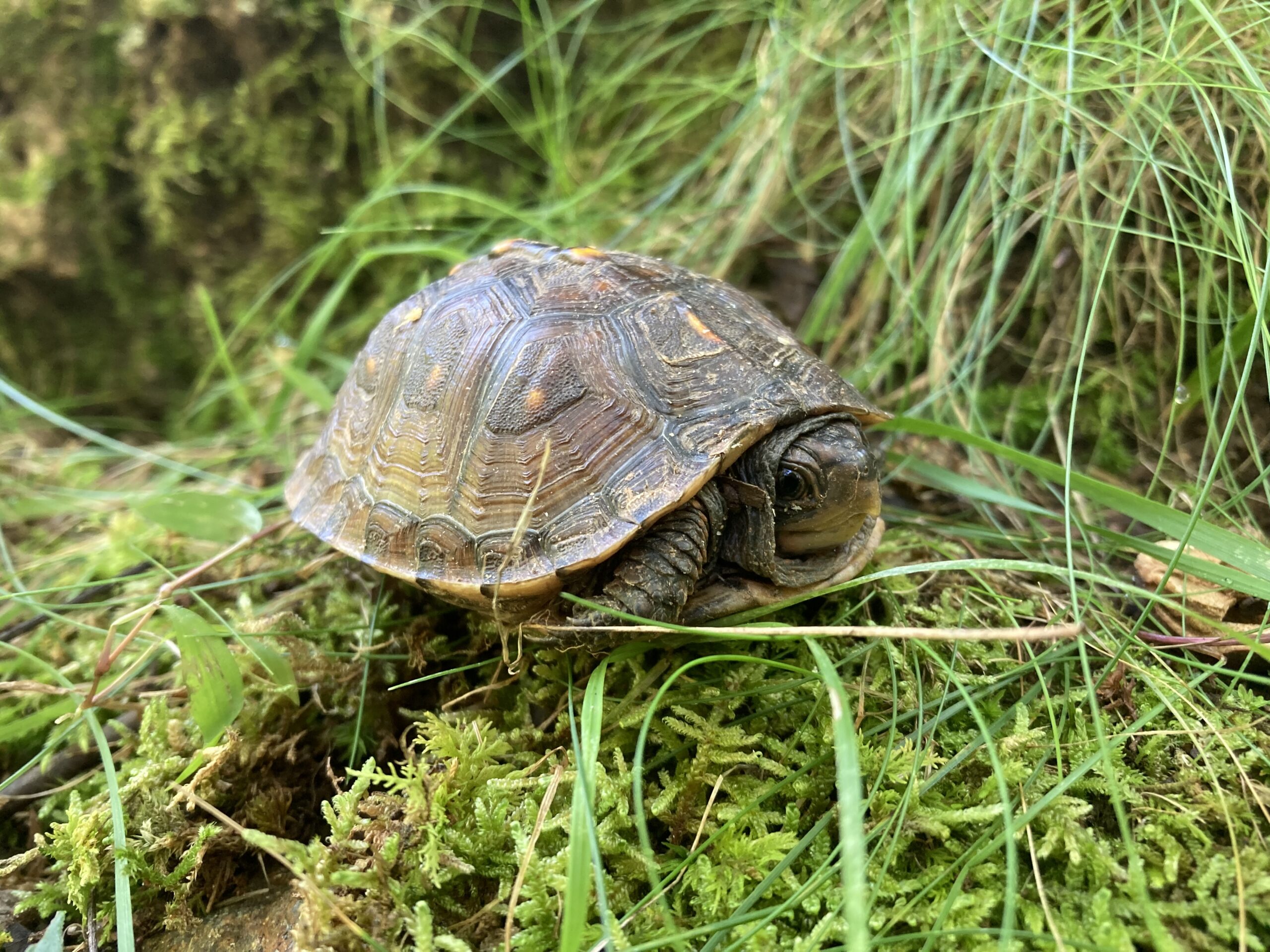
The human residents of this area often set our rhythms by the sounds of the animals in each season. Spring bird migrations bring volumes of birdsong. Summer is full of wildlife viewing, from bear to deer to the humble whistlepig or road-crossing turtle, and Fall brings changes to the landscape that the animals echo in their shifting fur and foraging habits. Winter brings sharp relief to our ridgelines and quieter lands.
A Jewel of the Blue Ridge
During the 2020 Madison County BioBlitz, residents and visiting biologists documented 1,150 species across the county in just two weeks, including dragonflies, butterflies, snakes, birds, and mammals, with several rare finds among them. The Southern Appalachians are among the most biodiverse temperate ecosystems in North America, and Madison County truly is a biological jewel of the Blue Ridge.
Mammals of the Mountains
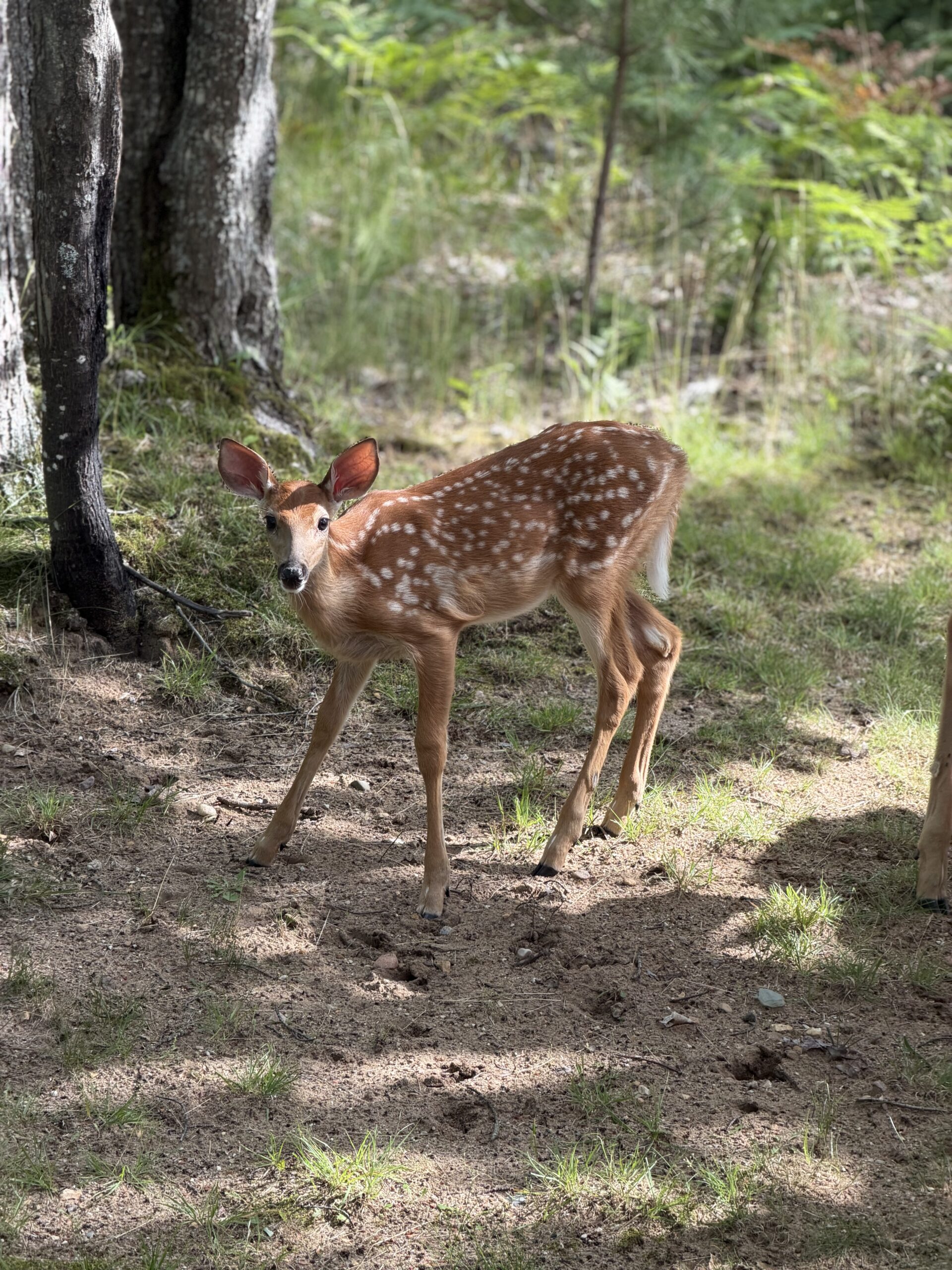
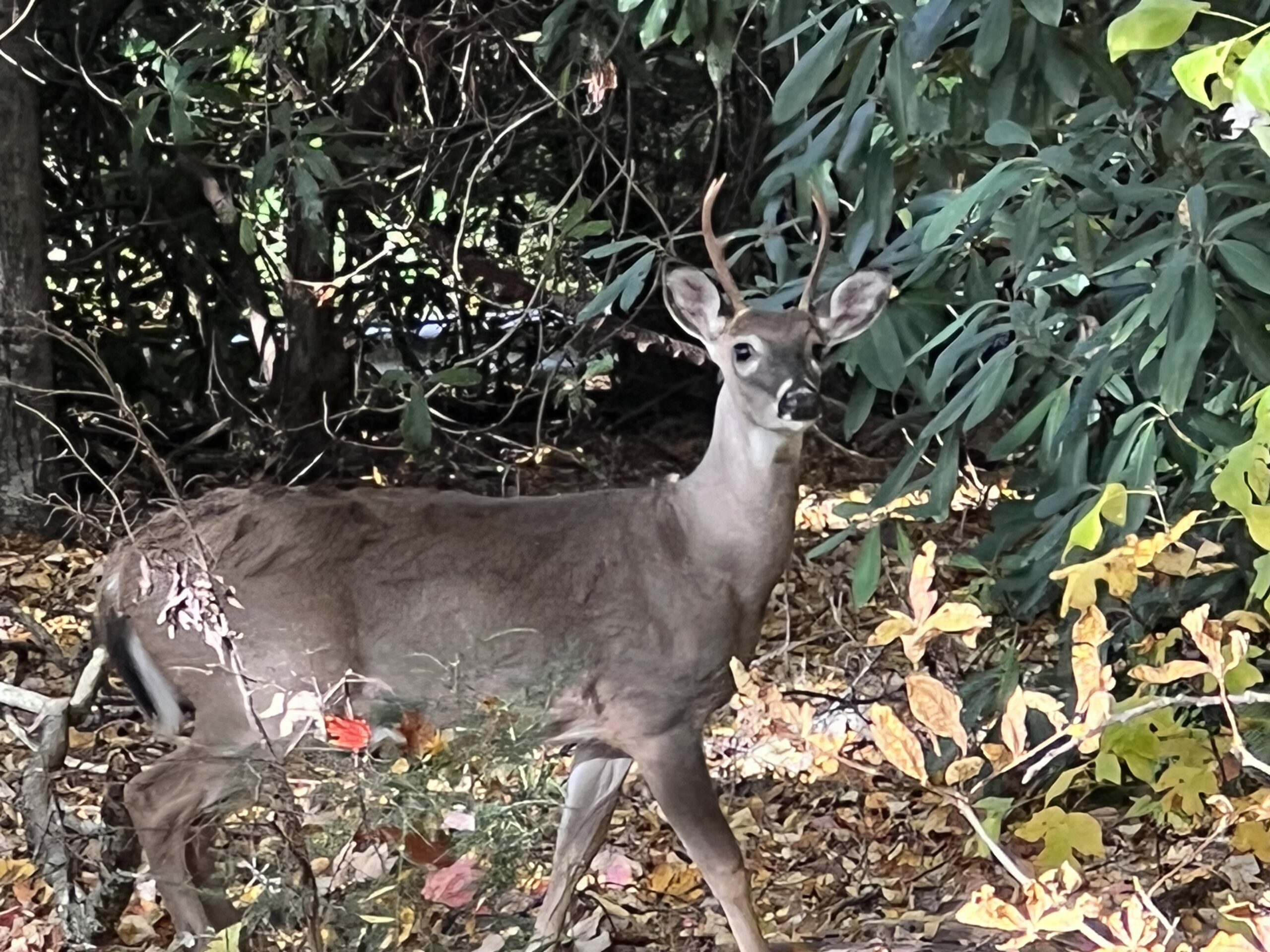
The forests around Hot Springs are home to black bears, whitetail deer, coyotes, wild turkeys, bobcats, foxes, raccoons, and groundhogs. Deer and turkeys are common sights along forest edges and mountain meadows, especially in early morning and evening. Black bears are generally shy and prefer to avoid people, spending their days foraging, but locals think of bear sightings as special events to be shared. Some feel like it brings good luck and others are watching out for livestock. Whatever our perspective, we live in and among amazing mammals.
Along the French Broad River, keep watch for river otters. Once nearly gone from North Carolina, otters have made a strong comeback and are sometimes spotted sliding along muddy banks or hunting fish in the current.
Abundant Life under and in the Water
The Southern Appalachians are often called the salamander capital of the world, and the cool, shaded streams around Hot Springs are the reason. If you look to the mossy edges of any creek you may find one of the many salamander species that thrive here. The most remarkable of all is the eastern hellbender, a fully aquatic salamander that can grow to impressive size and depends on the clean, fast flowing, rocky streams of our region. Hellbenders are sensitive to pollution, so finding them here says something good about our water.
Anglers know these waters too. Spring Creek, which runs straight through downtown Hot Springs, is a designated North Carolina Mountain Heritage Trout Water, and mountain streams throughout the surrounding Pisgah National Forest hold brook, rainbow, and brown trout. Herons, kingfishers, and ospreys are a common companion to rivergoers.
Look to the Sky
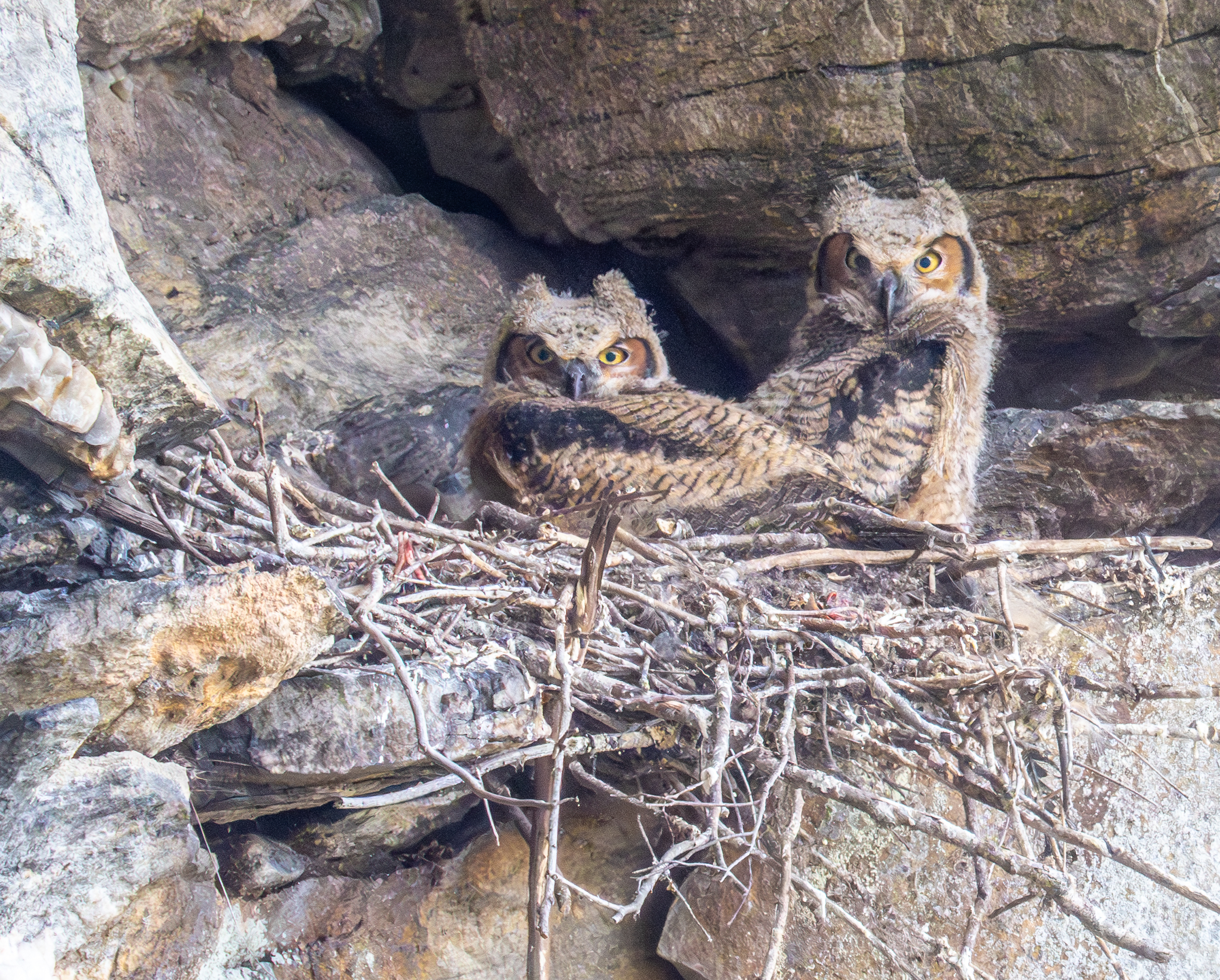
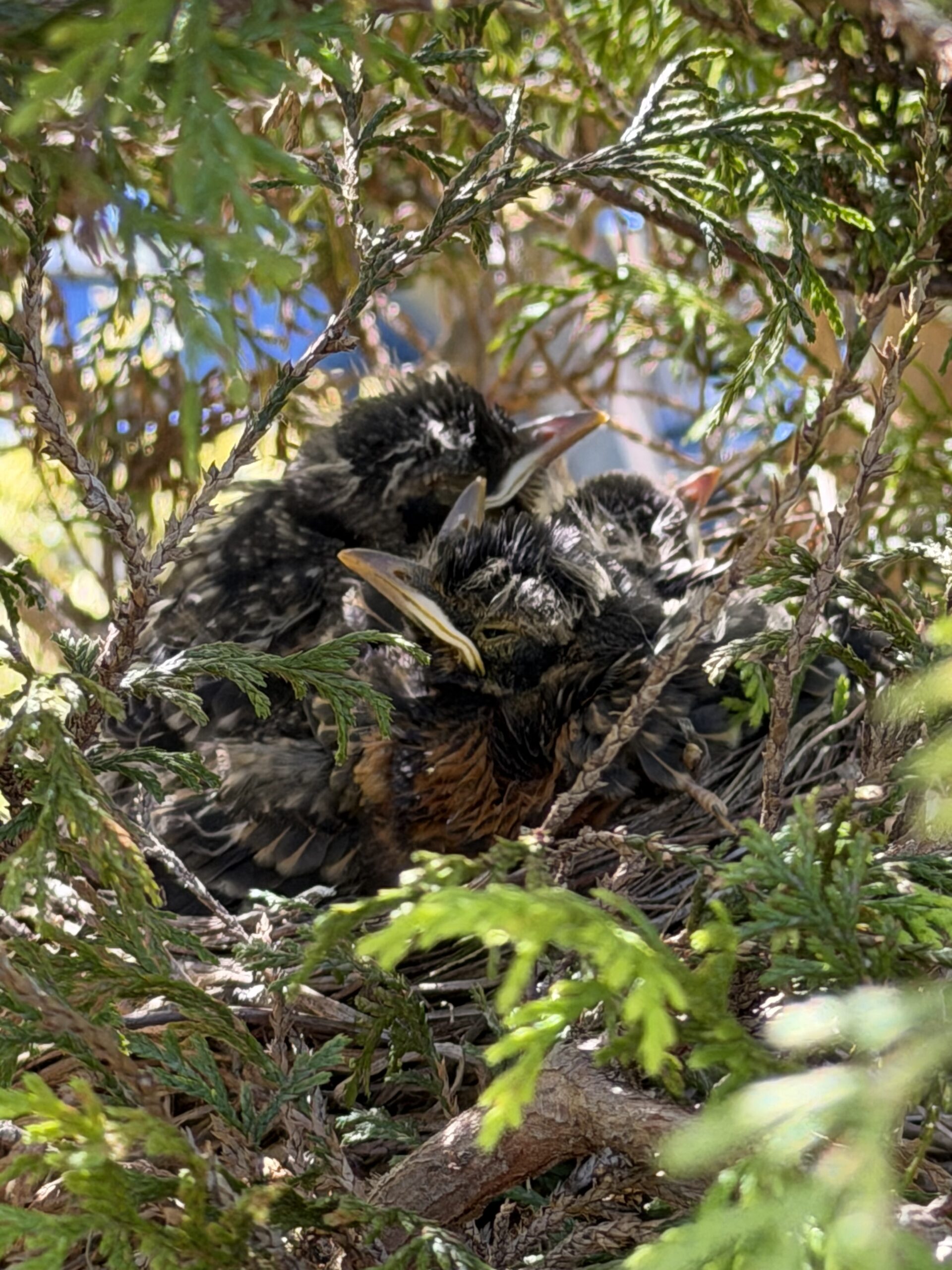
More than one hundred bird species live in the Pisgah National Forest, from hawks to warblers. Peregrine falcons nest on remote cliffs, and the meadows of Max Patch offer wonderful open country birding with a panoramic view. Spring is an especially amazing time to hear and see new species on their way to summer nesting grounds up north. At 6 a.m. in March and April, you can start to hear as many as 20 species at one time and not long after that, you may get buzzed by the returning Ruby-Throated Hummingbirds!
Where to Watch Wildlife Near Hot Springs
- The Appalachian Trail through town and up to Lovers Leap, for songbirds, salamanders, and valley views.
- Max Patch, a grassy mountain bald ideal for hawks, meadow birds, and butterflies.
- The Laurel River Trail, an easy riverside walk rich in bird and amphibian life.
- Murray Branch Picnic Area along the French Broad, a relaxed spot to watch the river for otters, herons, and waterfowl.
- A guided float or raft trip on the French Broad River is a great way to have surprise viewings of many types of animals.
Tips for Respectful Wildlife Watching
- Visit at dawn or dusk, when most animals are active.
- Move quietly, keep your distance, and use binoculars rather than approaching.
- Do not feed wildlife, and secure food and trash, especially in bear country.
- Leave rocks, logs, and salamanders where you find them.
From the smallest salamander in Spring Creek to a bear ambling across a distant ridge, the wildlife of Hot Springs, NC is part of what makes this valley truly alive. Walk softly and meet the neighbors.
-Article by Anna Robas, September 2026
Sources
- Hot Springs Tourism Association, Madison County BioBlitz article: https://www.hotspringsnc.org/discovering-biodiversity-in-hot-springs-nc-with-the-2020-madison-county-bioblitz/
- Hot Springs Tourism Association, Things To Do pages, Spring Creek trout waters: https://www.hotspringsnc.org/things-to-do-in-hot-springs-nc-old-2025/
- USDA Forest Service, Appalachian Ranger District, Pisgah National Forest: https://www.fs.usda.gov/r08/northcarolina/recreation/appalachian-ranger-district-pisgah-national-forest
- North Carolina Wildlife Federation, Wildlife on Public Lands: https://ncwf.org/blog/wildlife-on-public-lands/
- French Broad River Partnership, About the French Broad River Basin: https://frenchbroadriver.org/about-the-french-broad-river/
- NC fishing regulations, Pisgah National Forest trout waters: https://www.eregulations.com/northcarolina/fishing/other-trout-fishing-waters